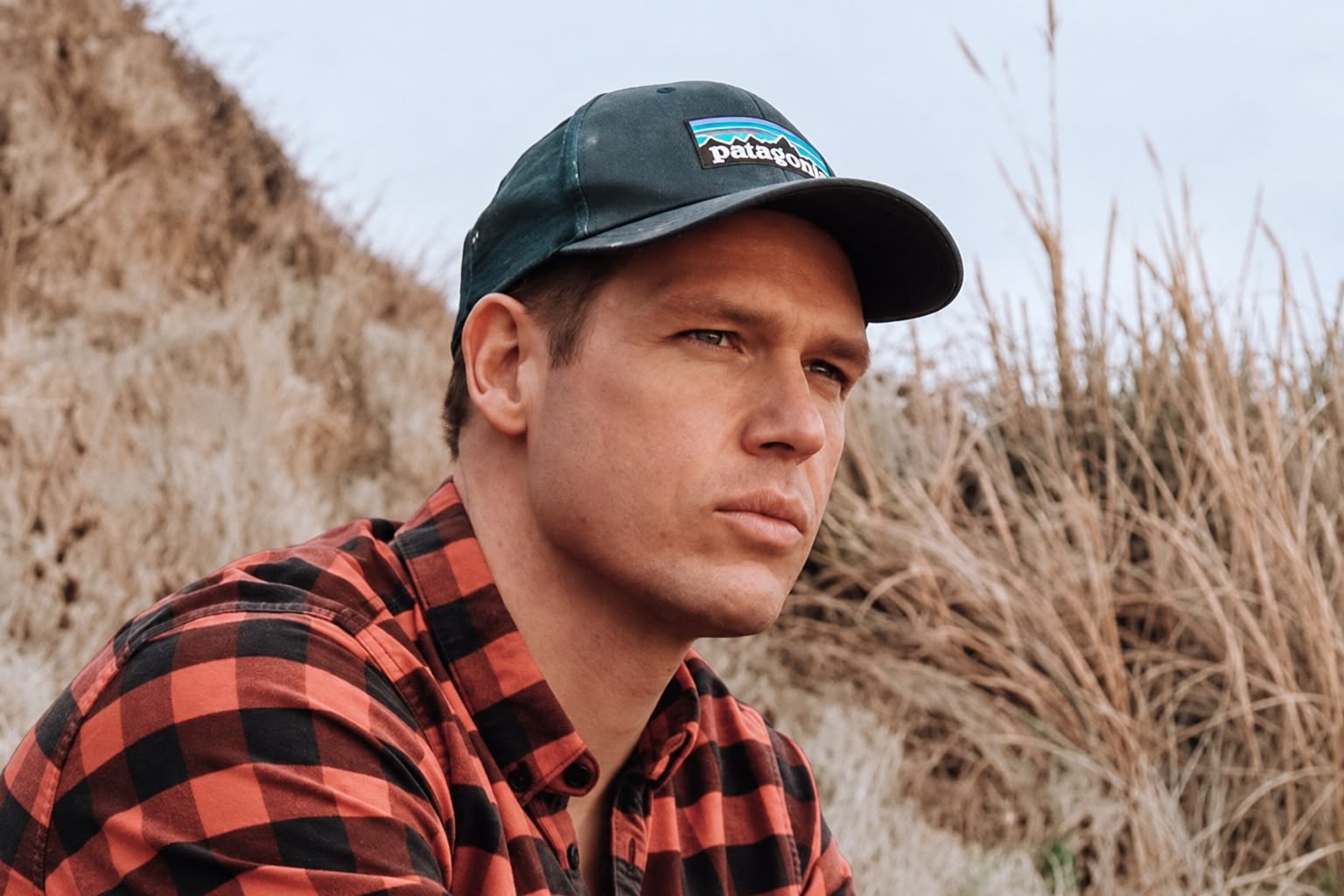
I'm Luke McMillan. I write about the ocean.
I write about the ocean, wherever there is a story worth a deeper look. Sometimes that is a new scientific discovery or genuinely good news. Sometimes it is a government decision, an industry claim or a set of documents that raises more questions than it answers.
I write features and investigations for Oceanographic Magazine, have contributed to BBC Wildlife, and publish Ocean Rising. Based in England, reporting internationally.
Selected journalism
A selection of reported features and investigations for Oceanographic Magazine.

What New Zealand is removing to speed up its fisheries
I started this expecting a story about political influence. The documents took it somewhere more interesting.

Krill or be 'QRILLed': Who governs the Antarctic Ocean?
The Antarctic krill fishery hit its catch limit early. I looked at what happened at CCAMLR, what the industry wanted and what the science could actually say.

The deep sea and the race to mine the abyss
I traced the science, law, economics and company claims behind the push to mine polymetallic nodules from the deep Pacific.

Poison in the wake: how shipping and plastic escape justice
The X-Press Pearl burned off Sri Lanka in 2021. Years later, plastic pellets were still being picked from the coast.

The space between: the cultural shifts within the whale industry
A Scottish coastline that once ran whaling stations, a minke whale called Knobble and a Norwegian industry changing from within.

My independent publication
I built Ocean Rising because some stories are worth following even when nobody has commissioned them. It is where I publish investigations and essays, along with a weekly roundup of important ocean news from around the world.
Five Months On, Papua New Guinea Still Cannot Say What Is Killing Its Ocean
A government agency’s own preliminary report showed how much the investigation into New Ireland’s marine crisis still could not determine.
Read on Ocean Rising ↗Investigation · South AfricaThey Won in Court. The Company Came Back Anyway.
South Africa’s courts kept intervening in offshore seismic permits. The surveys kept returning.
Read on Ocean Rising ↗Investigation · AlbaniaThe Flamingo Revolution
A protected coast, a state island, a luxury development and the public record behind what happened next.
Read on Ocean Rising ↗Investigations, essays and a weekly global ocean news roundup.
Before I was writing about the ocean, I was working in it.
Coral reefs in Madagascar, a turtle-nesting project on Curieuse Island in the Seychelles, humpback whale research in São Tomé, whale and dolphin surveys off the Canary Islands, a whale shark project in Honduras, and a human-animal conflict programme in West Flores, Indonesia. Sunburnt, salt-covered and quietly obsessed.
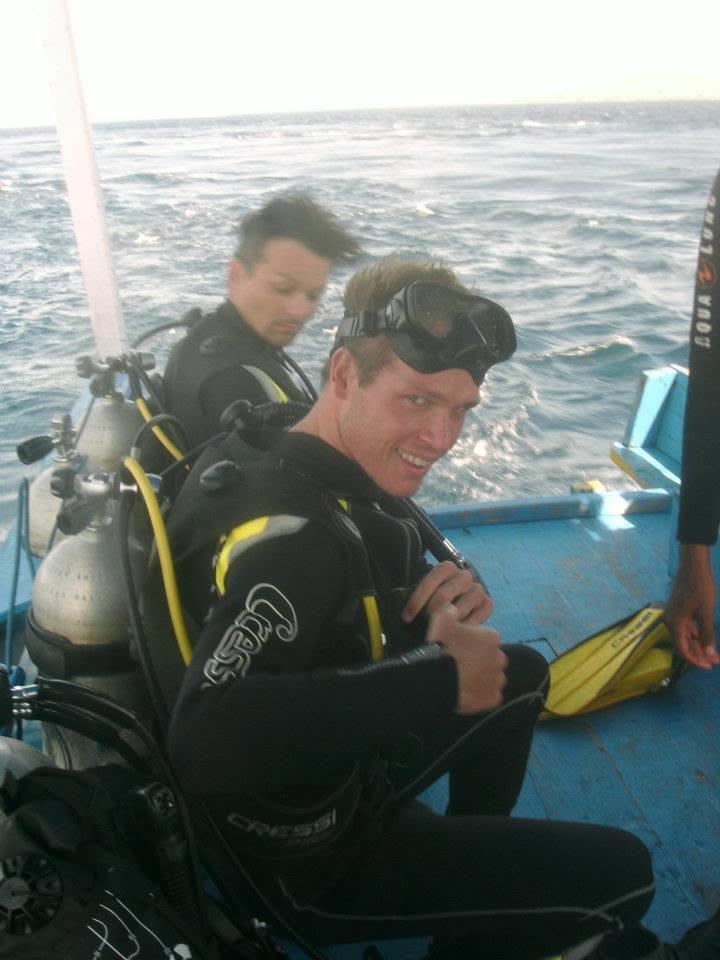
I never really left it. Even when my jobs took me into international campaigns and humanitarian work, the sea was the place I kept coming back to.
At Peace One Day I ran international campaigns. At Save the Children International I audited aid programmes in some of the most difficult environments imaginable, spending time in disaster-hit areas, war-torn countries and refugee camps. I spent years inside organisations watching how decisions were made, then reading the version that appeared on paper afterwards. They were not always the same thing.
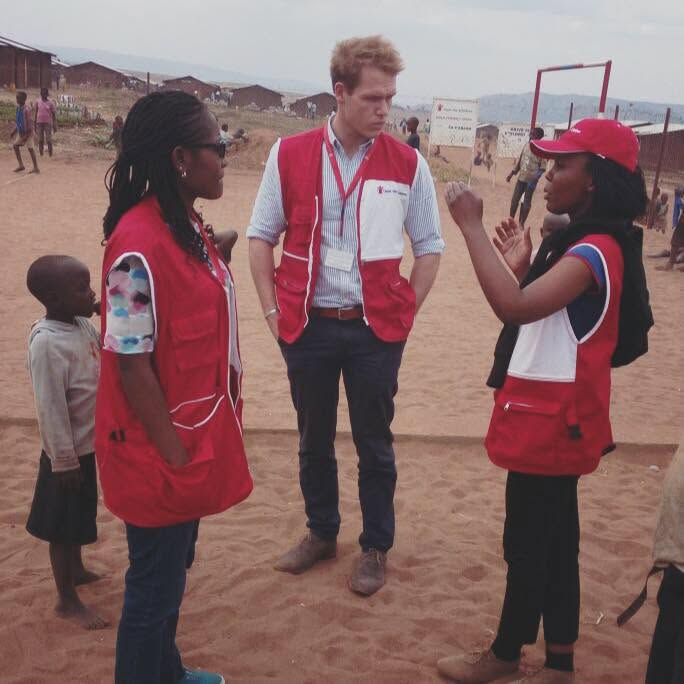
Now I use both halves of that career. I know what it is like to be wet and cold on a small boat, and I am happy sitting with a government consultation, a scientific paper or a company filing until I understand what it is actually saying.
That background probably explains the stories I keep getting drawn into. Sometimes it is fisheries law, a whaling licence or a mining proposal. Sometimes it is a new scientific paper or a species doing something nobody expected. I do not really care which box it sits in. I care whether there is a story there.
My features and investigations regularly appear in Oceanographic Magazine, where I have also written a guest column since January 2026. I have contributed to BBC Wildlife, publish Ocean Rising, and I am currently writing my first book.
Based in England. Reporting internationally.
Practicalities
A few useful things before you get in touch.
Features and investigations
I write reported features, investigations, essays and columns across the ocean beat. Most reported features sit around 2,000 to 2,500 words, although the story decides the final shape.
Scoping commissions
Sometimes the first job is simply to find out whether there is a story. I take on short scoping commissions: read the documents, test the premise, work out what is missing and report back before anyone commits to a full piece. If the story is not there, I will say so.
Timing and comment
Give me three to four weeks for a reported feature. An investigation usually needs longer. If you need me for comment on a breaking ocean story, I can usually respond quickly.
Speaking and other work
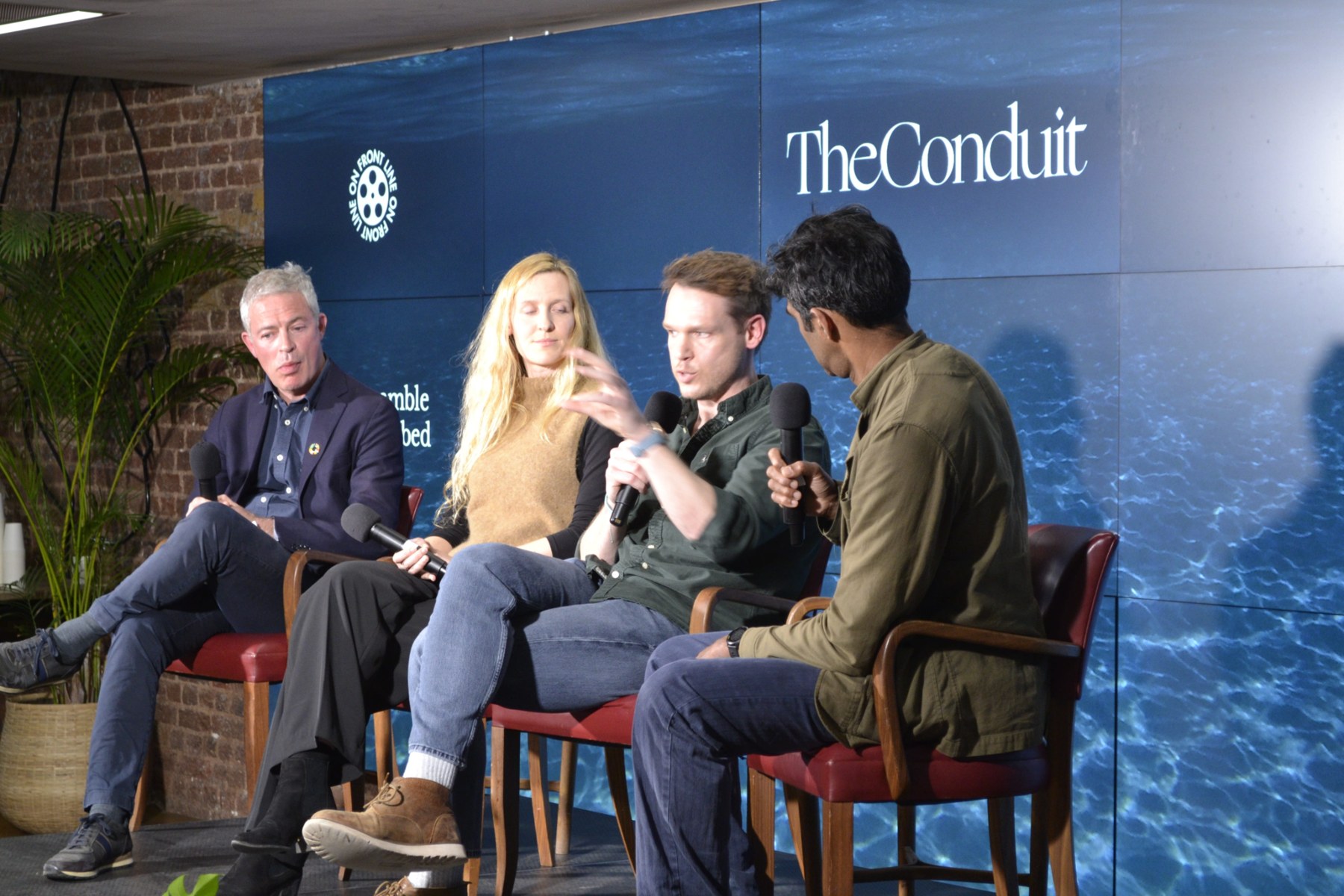
I am available for panels, podcasts and broadcast interviews, as well as early briefings for editors or organisations trying to work out whether an ocean story is worth pursuing.
For conflicts, sourcing and right of reply, see my editorial standards. For commissioned work outside journalism, see writing for organisations.
Speaking and broadcast
I’m available for panels, podcasts and broadcast interviews on ocean stories and the issues I report on.
Get in touch
For commissions, tips or editorial enquiries, send me the basics and a deadline. If you have a document that does not add up, send that too.
I usually reply within two working days.